Hello, Mohammed Farmaan here! Welcome to my professional profile. I’ve been working as a Software Engineer for 4 years now. I’ve worked with multiple startups over these years, and I don’t consider myself an expert in any single domain, but I always strive to do my best work. Even though I was a frontend-only engineer in my previous roles, I now see myself as a well-rounded Software Engineer, capable of handling challenges across the stack. If you’re looking for someone like that, I might be your guy. Below are a few things about me that I think you might find interesting.
How I Build Things
I consider myself good with all things TypeScript. Whether it's writing client- or server-side code, building data-only APIs or crons, or stitching all of these together.
I also care deeply about user experience. Performance, loading times, and good UI feedback all matter to me. I always try to make something that I would want to use myself.
I'm also decent with relational and non-relational databases. I know these things matter less and less as LLMs progress, but I still believe a fundamental understanding of them is required to make the end result both effective and efficient.
How I'd Like To Be Interviewed
We’re currently going through the biggest shift software engineering has ever seen, and it’s important that we accept it and change how we approach things. I have a few preferences for how I’d like to be interviewed. Prior to LLMs, when writing code was mostly hand-driven, take-home assignments or coding something on call worked well. After LLMs, however, I believe this is mostly irrelevant. Writing code is no longer the bottleneck, but the ability to write good code and understand what you’re doing is.
We’re at a stage where anyone can make something work using LLMs, irrespective of having good knowledge about the subject. So, IMO, this makes the old way of interviewing irrelevant. If I’m being interviewed, I’d like to be asked about the fundamental building blocks of what I’m going to work with, such as understanding the tech stack, the tooling it uses, how deployments work, how the platform primitives work, and the difference between local and prod setups. IMO, understanding those things alone makes you a worthy candidate.
I’d rather be given access to one of your repos to build a feature or fix a bug, and then open a PR for it than do a take-home assignment or invert a binary tree problem. The final judgment should be based on how well I’ve implemented the task, whether I’ve adhered to the project’s code standards, covered tests, delivered a thoughtfully designed user experience, and successfully made the feature work.
If your process includes interviewing for things that I’m never going to use or work with in my day-to-day work, I’d rather not waste your time or mine, respectfully. But if you think we think alike, feel free to reach out! :)
Toolkit
Languages
Client
Server
Databases
Setup
Hardware
Tools
CLI Agents
Work Experience
Soulbound TV
Software Engineer
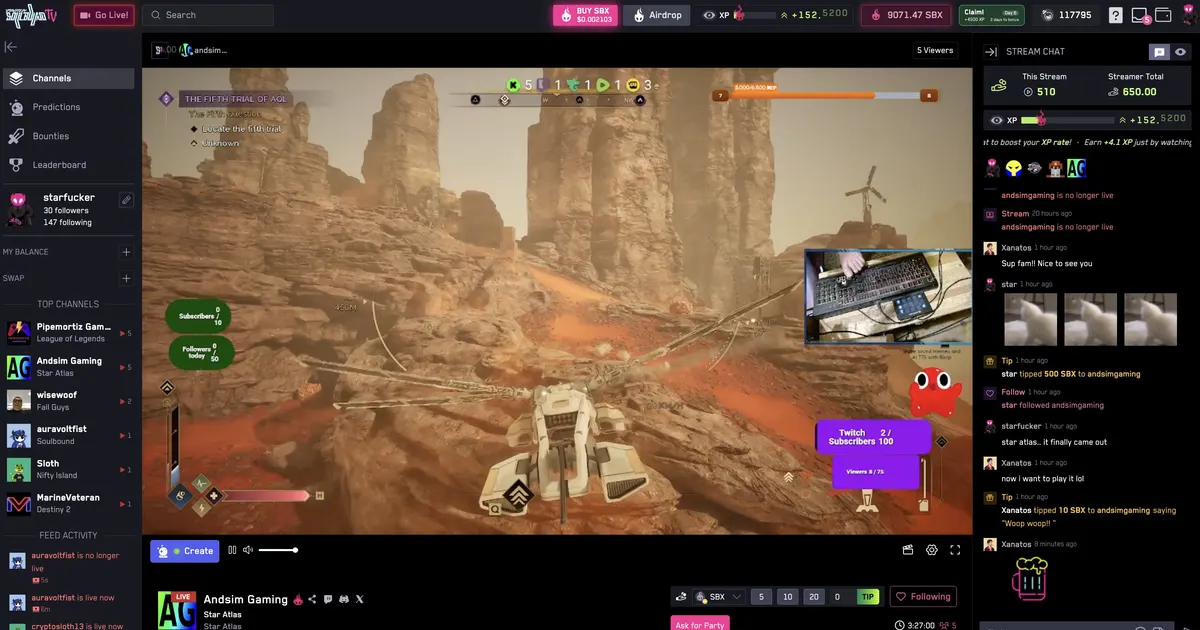
Helped build a live streaming platform for gamers that bridges Web2 and Web3, working mainly on real-time features, performance, and keeping the codebase clean.
Futuristic Labs
Software Engineer
Worked on the React Native app that manages their smart appliances, fixed many bugs in a short time, and provided a detailed plan to improve the app’s performance and code quality long-term.
Honc – India's Car Owners' App
Frontend Engineer (SDE - 1)
Worked on the frontend architecture across Honc’s mobile and web apps, built core product features, improved code quality, and helped the team move faster.
Zelp Soft Pvt. Ltd.
Frontend Engineer
Managed frontend development for multiple apps using React and React Native, building shared UI and working closely with APIs and maps.
Get in Touch
Interested in collaborating or have an opportunity? Feel free to reach out. I'm always open to interesting challenges and conversations.